
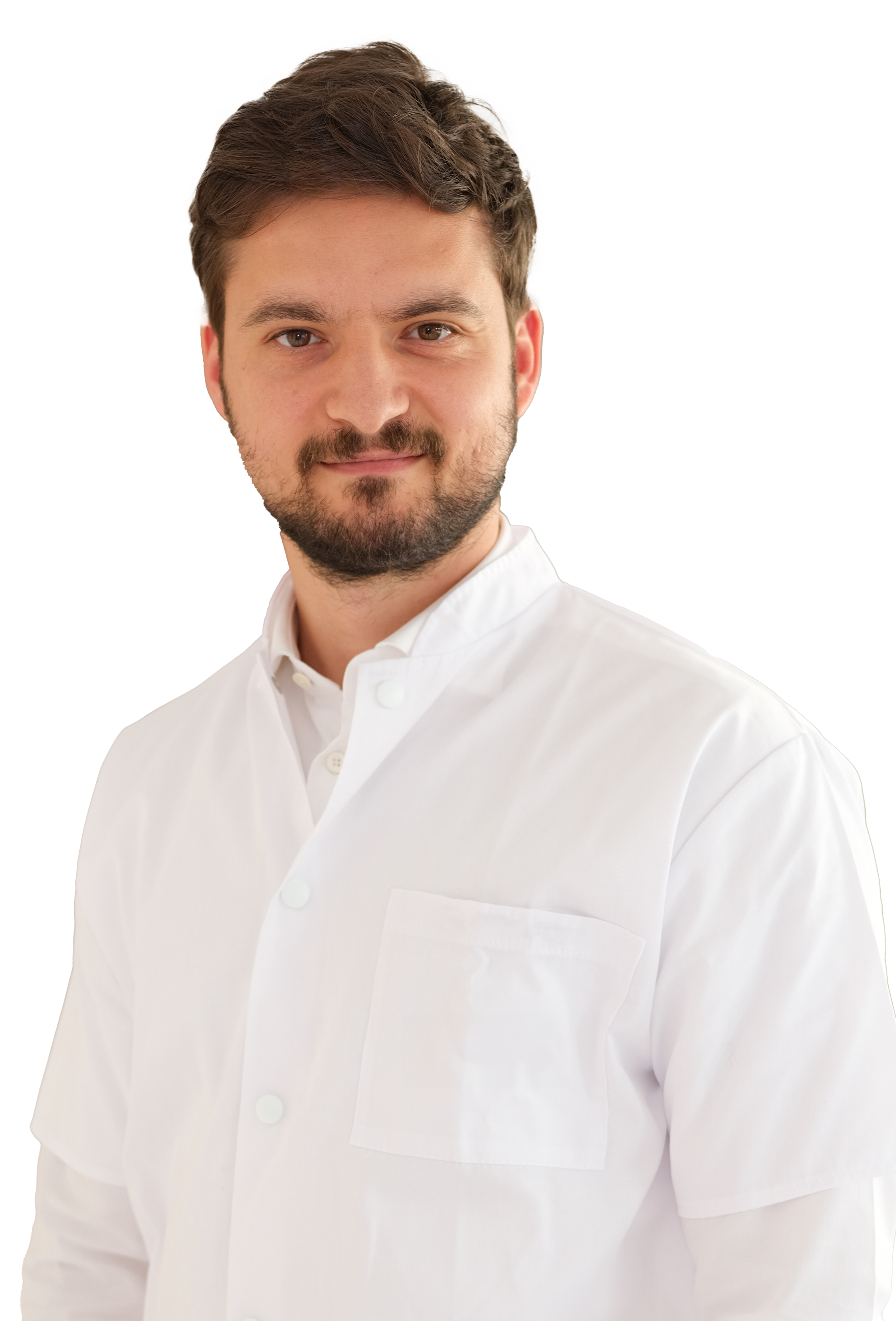
Colorectal cancer surgery focused on your safety and quality of life
Dr. Octavian Popescu
Robotic and laparoscopic surgery for colon and rectal cancer — including sphincter-preserving options for rectal cancer, so you can avoid a permanent colostomy bag whenever medically possible
10 years of surgical training in Germany and France
Coordinator of one of the most experienced centers for rectal cancer surgery
A new diagnosis brings fear, confusion — and too many conflicting opinions.
What you need is a clear plan, explained in words you understand, and a surgical approach that puts oncological safety first — along with your life after surgery.
My promise:
you leave with clarity, real options, and concrete next steps.
Public appearances


Schedule a consultation
The right diagnosis. An informed decision. Answers to every question.
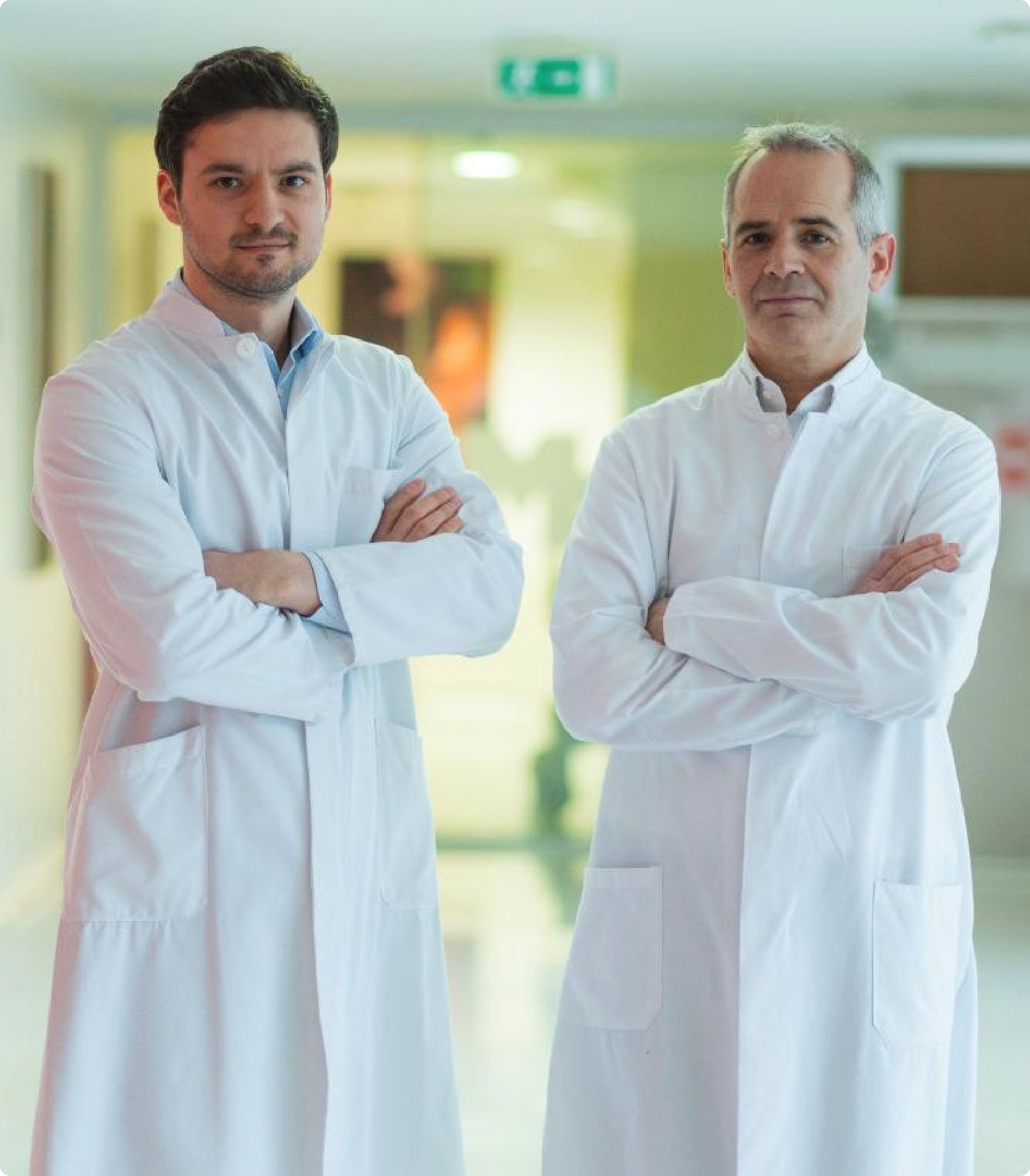
DR. OCTAVIAN POPESCU
European expertise.
A doctor who listens.
Together with his mentor, Prof. Dr. Hubertus Schmitz-Winnenthal of Heidelberg University, Dr. Popescu founded the German Institute of Surgical Oncology in Bucharest — where patients are treated to European standards, without leaving Romania.
Learn more about usA second opinion in 72 hours
What your case evaluation includes:
A structured review of your complete case - your history, previous treatments, and all existing test results, not just the latest one.
Personal analysis of your MRI, CT and PET-CT images. I review your scans myself, rather than relying on written radiology report - details that decide between operations are often visible only on the images.
Discussion of your case in a multidisciplinary tumour board, where surgeons, oncologists, radiologists, pathologists, geneticists, gastroenterologists, etc., agree on the best sequence of treatment together.
A personalised treatment plan, aligned with international guidelines and explained to you step by step - with time for every question
Rectal Cancer Surgery
Robotic or laparoscopic surgery to remove rectal cancer. Over 90% of our patients keep normal bowel function, with no permanent stoma (“bag”).
Rectal cancer surgeryColon cancer surgery
Robotic or laparoscopic removal of colon cancer, performed to international oncologic standards - complete tumor removal with the surrounding lymph nodes, which is what matters most for preventing recurrence. In nearly all cases, the bowel is reconnected during the same operation, so digestion and bowel function return to normal - no stoma.
Colon cancer surgerySurgery of Metastatic Disease
A diagnosis of metastases does not always mean surgery is no longer an option. When indicated, liver metastases and peritoneal disease (carcinomatosis) can be surgically removed — combined, where appropriate, with specialized procedures such as HIPEC (heated intraperitoneal chemotherapy) or PIPAC (pressurized aerosol chemotherapy) that deliver chemotherapy directly inside the abdomen.
Surgery for metastasesWhy patients choose me?
Focused expertise: colorectal cancer surgery (colon and rectum) and metastatic disease — liver metastases and peritoneal carcinomatosis, including HIPEC and PIPAC procedures
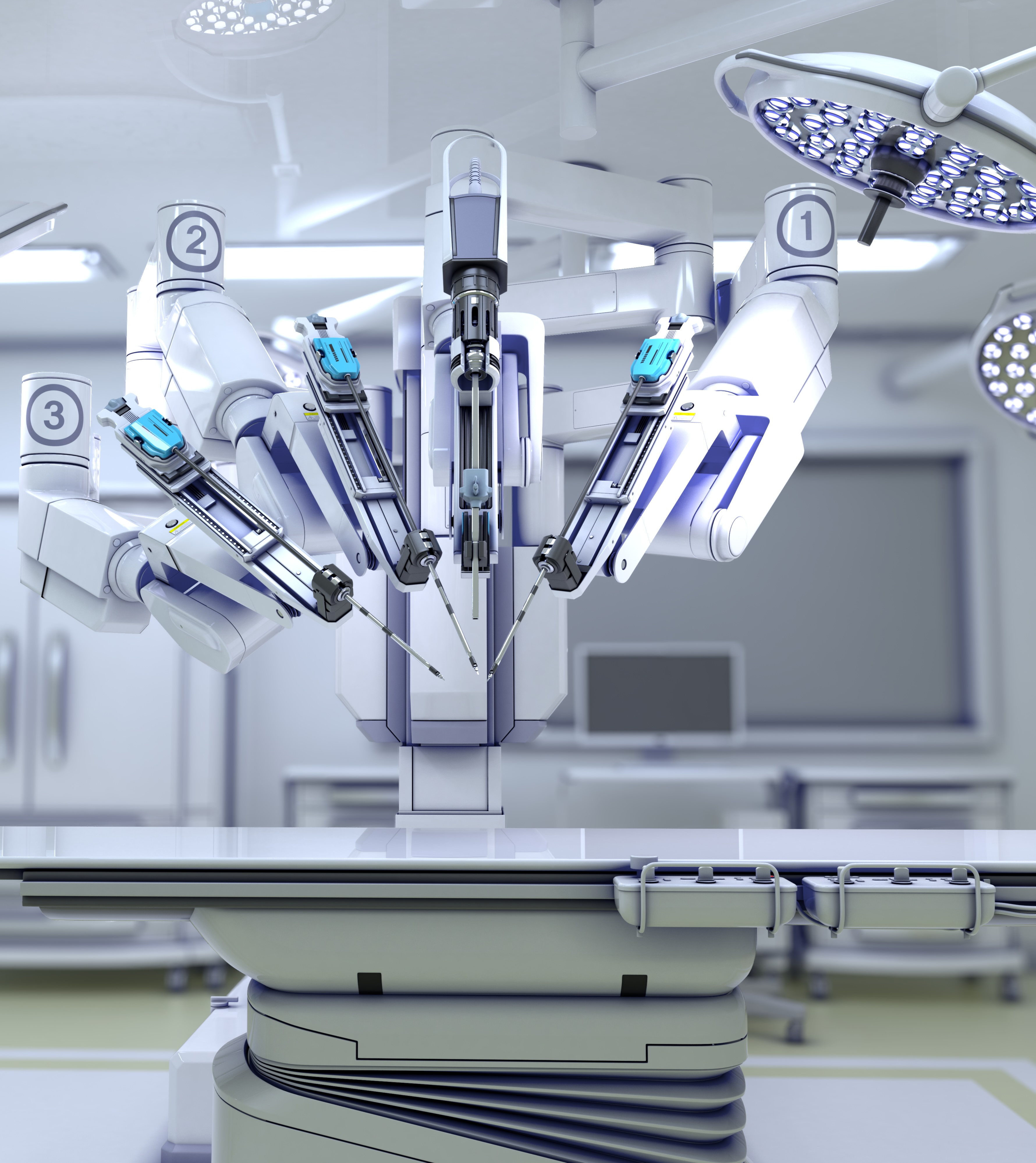
Modern minimally invasive surgery: robotic (da Vinci Xi) and laparoscopic — over 90% of patients qualify, with less than 1% conversion to open surgery
Sphincter preservation: over 90% of low rectal cancer patients avoid a permanent stoma
International training: 9 years in Germany (Oncologic and minimally invasive surgery) and subspecialization in colorectal surgery in France (CHU Bordeaux, under Prof. Eric Rullier)
Clear communication: you understand your options, risks, and next steps — I explain them as many times as you need
Treatment aligned with international guidelines, at Memorial Hospital in Bucharest
Can the stoma (colostomy bag) be avoided?
In most cases, yes. Using robotic and laparoscopic techniques, I preserve the anal sphincter in over 90% of low rectal cancer operations — including for many patients who were told elsewhere that a permanent colostomy was their only option.

Can colon or rectal cancer surgery be performed without a permanent stoma?
Yes — in over 90% of cases. Whether it's possible depends on the tumor's location and stage, the MRI findings, and the response to treatment before surgery. My priority is always an oncologically safe operation — and, whenever possible, one that preserves normal bowel function.
If you have been told that "a stoma is the only option," a second opinion is worth having: it will either confirm your current plan or, quite often, reveal alternatives.
How does it work? (in 3 steps)
-
1
You send the documents (WhatsApp or form)
Colonoscopy + biopsy, pelvic MRI (for rectum), CT, tests (if available) -
2
We schedule quickly
Consultation at Memorial Hospital or online (video) -
3
You receive a clear plan
Options explained simply, recommendations, and next steps.
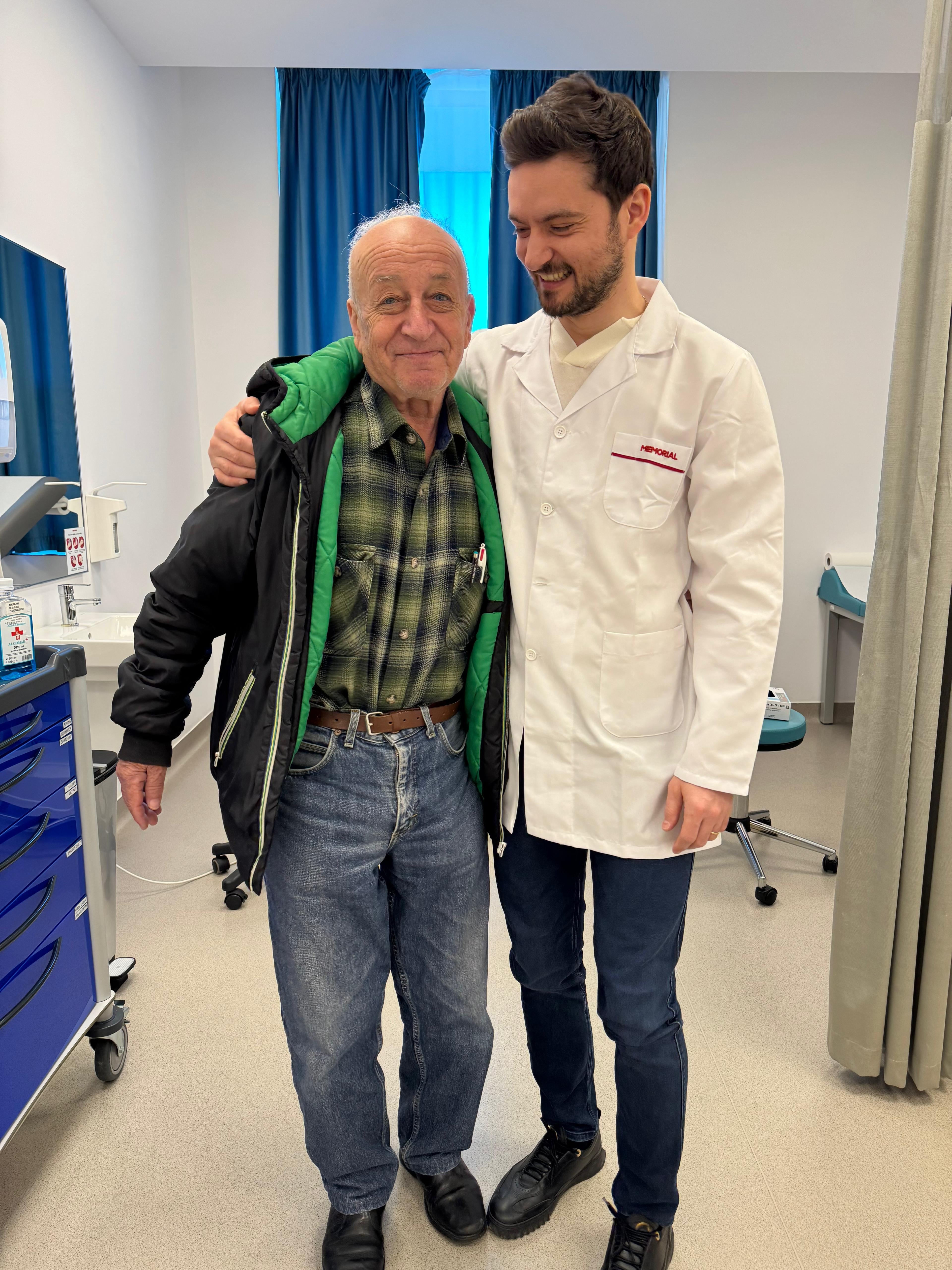
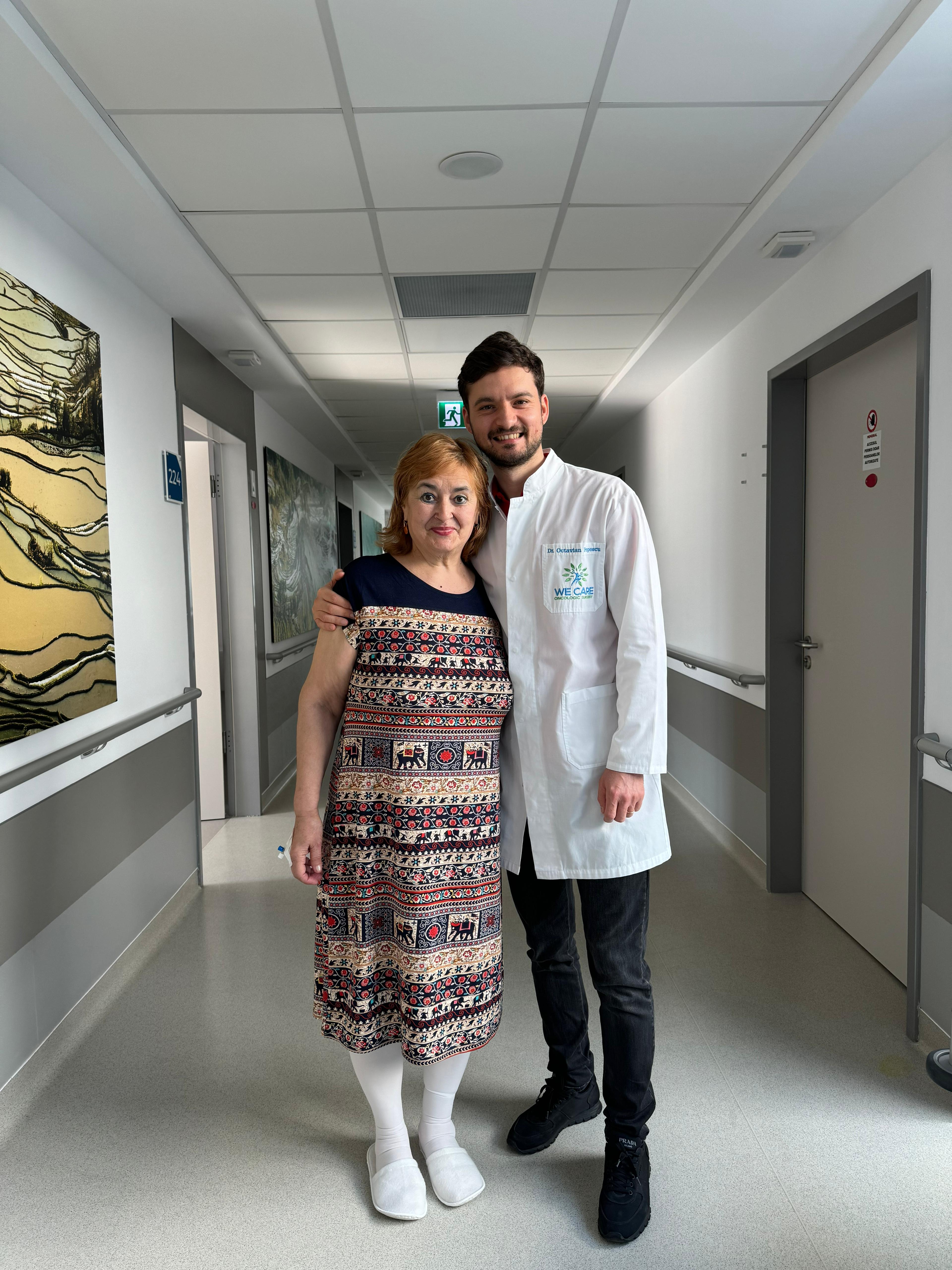
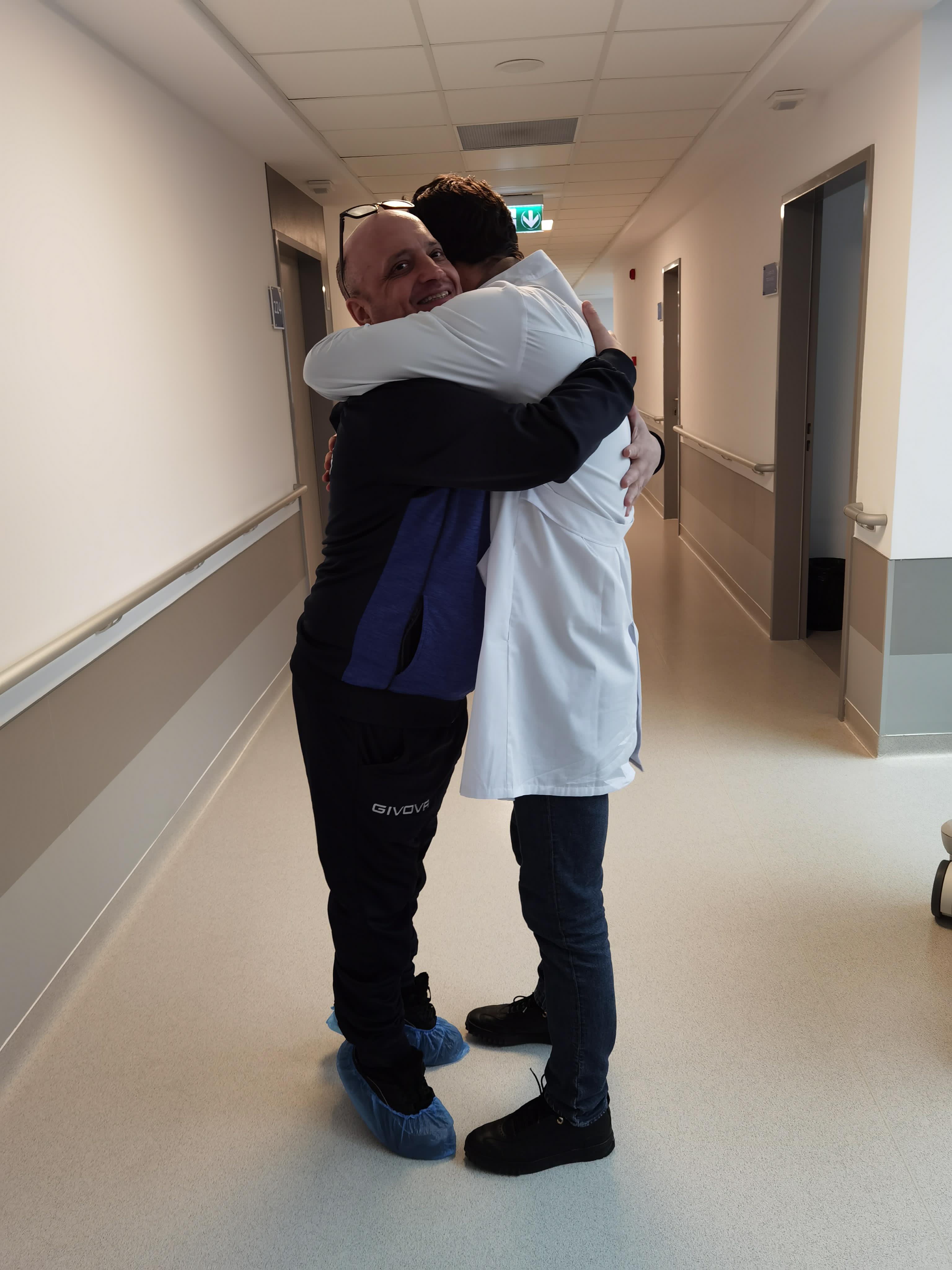
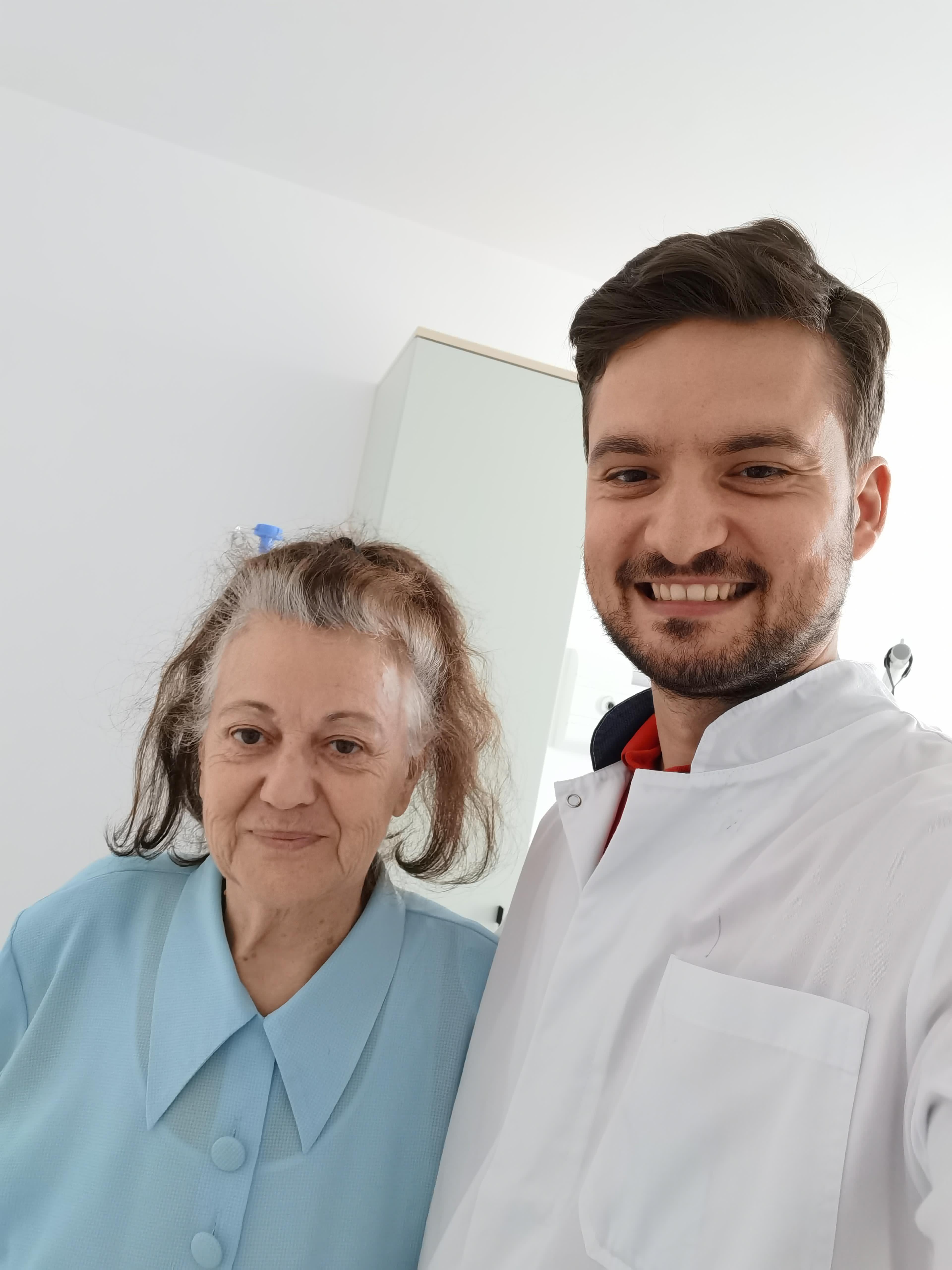
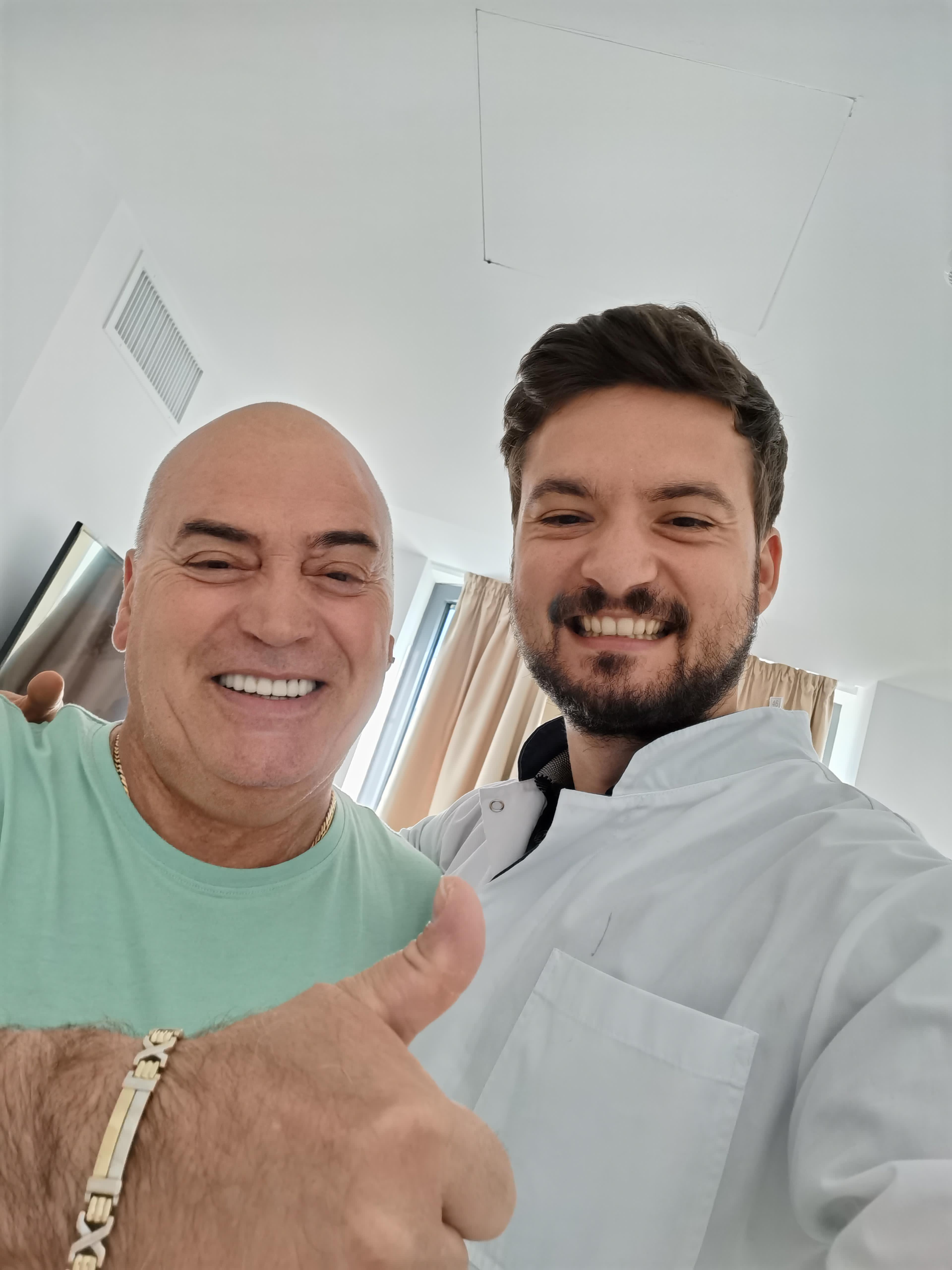
Patients who wanted to share their story with others
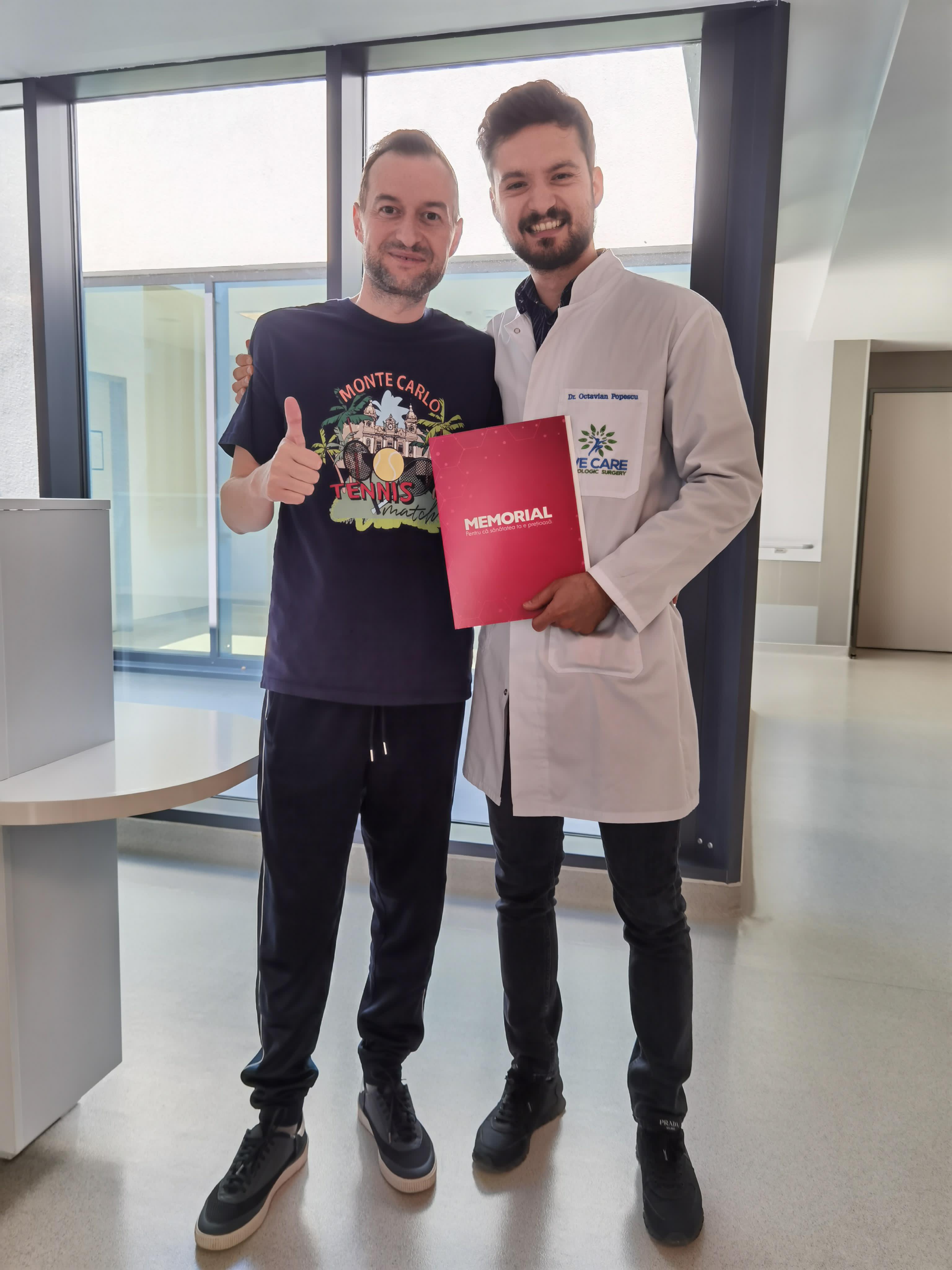
Treating the cancer is only half my job. The other half is protecting the life you return to.Treating the cancer is only half my job. The other half is protecting the life you return to.
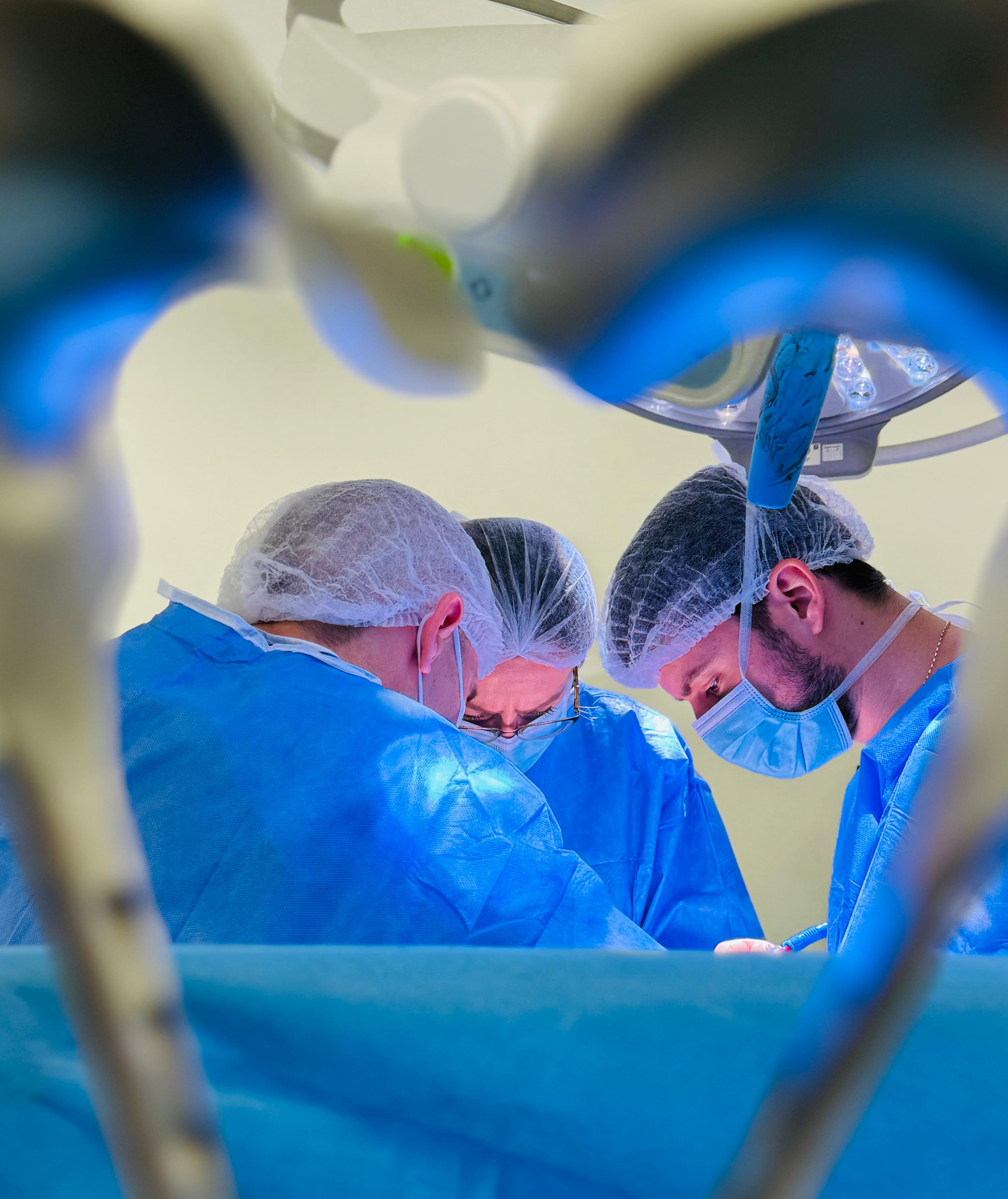
From the operating rooms of Germany and France, straight to Romania
Dr. Octavian Popescu, a specialist in minimally invasive colorectal surgery, brings Romanian and international patients a decade of training in Europe's most advanced surgical centers.
In Germany, he trained in oncologic and minimally invasive surgery under the guidance of Prof. Dr. Friedrich Hubertus Schmitz-Winnenthal, professor at Heidelberg University, one of Europe's leading academic surgical centres. In France, he specialised at University CHU Bordeaux, under Prof. Eric Rullier – a pioneer of the modern sphincter-preserving techniques for very low rectal cancer used worldwide today. This is surgery that allows patients who were told they would need a permanent colostomy bag to keep normal bowel function instead – restoring not only health, but dignity.
Today, Dr. Popescu performs these operations routinely: over 90% of his low rectal cancer patients avoid a permanent colostomy, and more than 90% qualify for minimally invasive surgery (robotic or laparoscopic) – many after being told elsewhere that open surgery was their only option.
Together with his mentor, Prof. Dr. Hubertus Schmitz-Winnenthal, Dr. Octavian Popescu co-founded We Care - German Institute of Surgical Oncology in Bucharest, Romania, where patients ar treated according to European and international guidelines – Romanian patients no longer need to travel abroad for world-class colorectal surgery, and international patients increasingly travel to Bucharest for it.
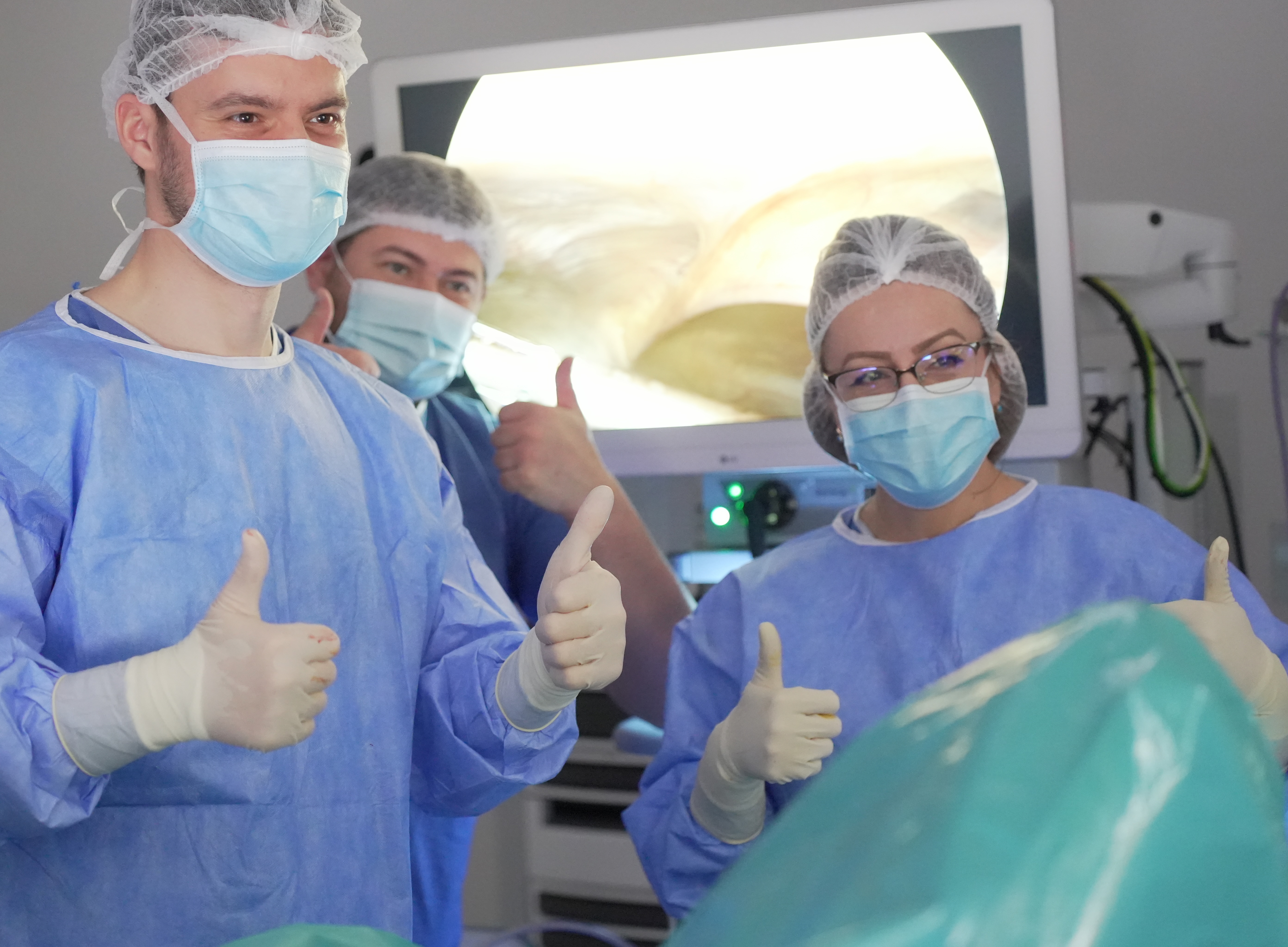
Colon and rectal cancer surgery - without a permanent bag
Have you been told that surgery will mean a colostomy bag for the rest of your life?
For most patients, there is another way. Dr. Octavian Popescu brings patients the most modern surgical techniques for colorectal cancer — aimed at the best possible chance of cure, the lowest possible risk of recurrence, and a normal quality of life after surgery.
Request a second opinionContact Dr. Octavian Popescu
Contact:
Reception – 0758.084.772
Call Center – 0219676
Email address:
office@metropolitan-hospital.ro
Opening hours:
Monday – Friday: 07:00 – 15:30
Saturday: 08:00-10:00
Address:
Calea Șerban Vodă nr. 95-101, Bucharest

Dr. Octavian Popescu realizeaza operatii oncologice in Memorial Hospital Bucuresti din anul 2022.
Membru in Colegiul Medicilor din Romania.
DGAV (Deutsche Gesellschaft für Allgemein und Viszeralchirurgie)
DGK (Deutsche Gesellschaft für Koloproktologie)
DKG (Deutsche Krebsgesellschaft)
ESCP (European Society of Coloproctology)
Adresă consultatii
95-101st Șerban Vodă Street, Bucharest
Telefoane utile
Reception – 0758.084.772
Call Center – 0219676
© 2025 · Dr. Octavian Popescu · Medic chirurg specialist inscris in Colegiul Medicilor din Romania.